If you or a loved one has been injured in a motor vehicle accident, you may have heard of Alberta’s “minor injury cap.” This regulation plays a key role in determining compensation for certain injuries. Widely known among Alberta drivers, the cap has been a significant part of the province’s auto insurance system for years. For 2025, the cap has been updated to $6,182, reflecting a 2.0% increase over the 2024 amount.
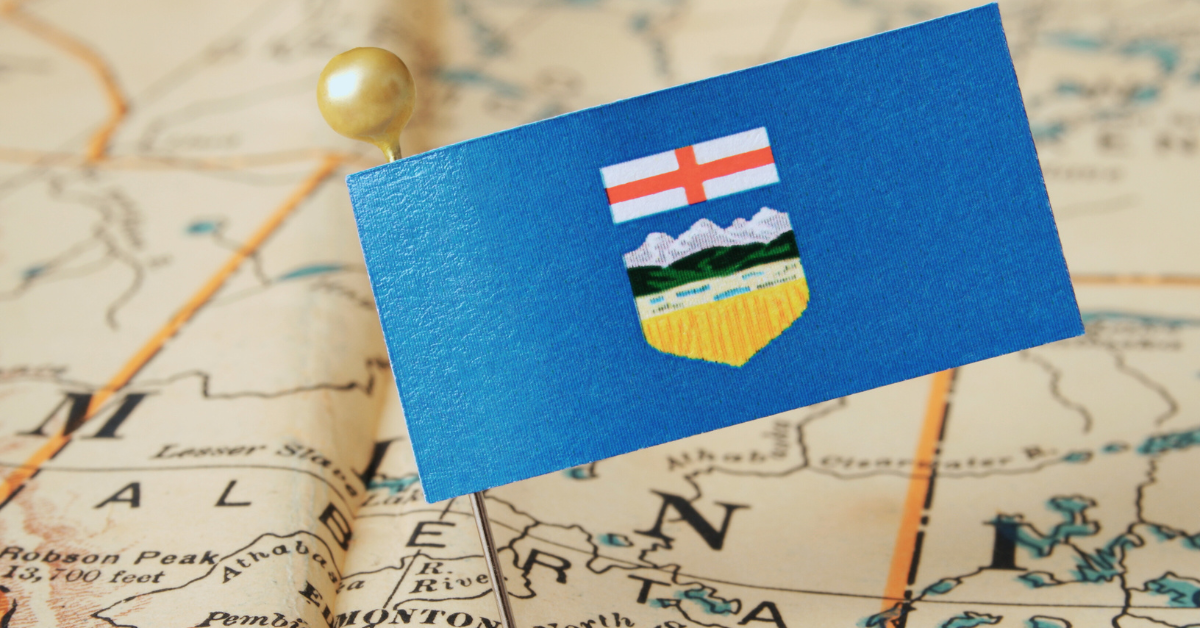
Here’s what you need to know about the cap, how it might apply to your claim, and why it’s crucial to consult an experienced injury lawyer before settling your case.
What is the Minor Injury Cap?
The minor injury cap is part of Alberta’s Minor Injury Regulation (MIR) and limits the amount of compensation (non-pecuniary damages) for limited and specific soft-tissue injuries from car accidents. The minor injury cap only applies to some sprains, strains and Whiplash-Associated Disorders (WAD): Whiplash is one of the most common injuries from car accidents. It typically occurs when the neck is suddenly jerked forward and back, causing soft-tissue damage.
It’s important to remember that the cap only applies to pain and suffering damages. It does not affect other compensation, such as lost income or medical expenses.
Soft-tissue injuries, like sprains or strains, may not fall under the cap if they:
- limit your ability to work, attend school, or manage daily responsibilities.
- Persist beyond several months or show little improvement over time.
- Lead to chronic pain, permanent impairment, or a significant decrease in your quality of life.
It’s also important to remember that the minor injury cap only applies to damages for pain and suffering. Other types of compensation—such as reimbursement for lost income, medical expenses, or long-term care—are not limited by the cap.
If you’re unsure whether your injury is capped, don’t rely solely on what you’re told by an insurance adjuster. At Hammer Injury Law, we provide free consultations to help you understand your rights and explore the full scope of your claim.
The Complex Reality of Soft-Tissue Injuries
Soft-tissue injuries, such as sprains, strains, and whiplash, are often misunderstood. Recovery isn’t always linear, and for many victims, these injuries can cause far-reaching physical, emotional, and financial consequences.
While some people recover quickly, others face months—or even years—of pain, reduced mobility, and challenges in resuming their normal lives. Chronic pain, functional impairments, and the uncertainty of recovery can drastically impact your ability to work, care for your family, or even complete basic daily tasks.
These challenges are precisely why soft-tissue injuries aren’t always capped. If your injury results in serious impairments or long-term effects, your claim may fall outside the minor injury cap.
For example:
- Chronic pain disorders stemming from a soft-tissue injury.
- Whiplash that leaves lasting physical or neurological effects.
- Limitations that prevent you from returning to work or carrying out daily responsibilities.
At Hammer Injury Law, we recognize that no two injury cases are the same. If you’re struggling with the aftermath of a soft-tissue injury, we’re here to ensure you receive fair compensation for all the ways your injury has impacted your life.
Why Does the Cap Change?
Each year, Alberta adjusts the minor injury cap based on the Consumer Price Index to account for inflation. This ensures that compensation aligns with the changing cost of living. Since the cap’s introduction in 2004 at $4,000, it has been updated annually to reflect these economic factors.
Why You Should Consult an Injury Lawyer
If your auto insurer claims your injury is capped, it’s essential to get the opinion of an experienced injury lawyer. Insurance companies operate with their bottom line in mind, which is why it’s essential to have an advocate looking out for your best interests.
Thus, it is important to talk to an injury lawyer before talking with your insurance company. However, if you have already spoken with them, and they are indicating your case may be affected by the cap, you should discuss your case with an injury lawyer as soon as possible. The Minor Injury Regulation is complex, and determining whether an injury falls under the cap requires careful analysis. An experienced injury lawyer can:
1.Evaluate Your Injury Thoroughly
Some injuries initially classified as minor can worsen over time, leading to chronic pain or long-term impairment. A lawyer can connect you with medical professionals to fully assess your condition.
2. Challenge Low Settlement Offers
Insurers often pressure victims to accept low settlements quickly. A lawyer can negotiate on your behalf to ensure fair compensation for all aspects of your injury.
3. Navigate Complex Regulations
Alberta’s MIR includes legal definitions that can be difficult to interpret. An injury lawyer can help determine if your injury qualifies as a “serious impairment” and pursue higher compensation when applicable.
Hammer Injury Law: Fighting for Your Full Compensation
At Hammer Injury Law, we understand the intricacies of Alberta’s Minor Injury Regulation. Our founder, Rick Mallett, has extensive experience advocating for clients whose injuries have lasting impacts, ensuring they receive fair and just compensation.
If you’ve been injured, don’t let the minor injury cap dictate your settlement. Contact Hammer Injury Law today for a free consultation. We’ll assess your case, explain your rights, and help you fight for the compensation you deserve.